
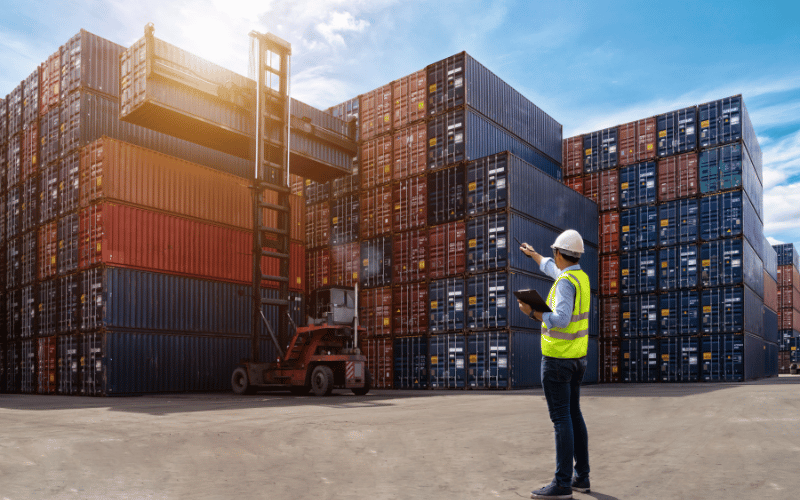
In offshore logistics, every shipment is part of a much bigger operation. A delayed container, an inaccurate manifest or poor load planning can quickly impact project timelines, vessel schedules and operational costs. That’s why experienced cargo transport services focus on preparation, coordination and execution at every stage of the journey.
In this blog, we’ll cover the best practices that help businesses manage high-volume cargo shipments more efficiently while avoiding common operational challenges.
One of the biggest challenges in high-volume logistics is poor planning. Without a structured transport strategy, businesses often experience bottlenecks, scheduling conflicts, unnecessary storage costs, and missed delivery windows.
Effective planning should include:
Planning becomes even more important when coordinating freight across ports, airports, warehouses, and remote worksites.
Frequent small shipments often increase transport costs and place unnecessary pressure on logistics operations.
Consolidating freight into larger, scheduled deliveries helps:
For organisations that regularly move cargo, shipment consolidation improves efficiency without sacrificing delivery reliability.
Safety is one of the most important components of successful cargo management. High-volume freight movements involve numerous handling points, vehicles, personnel, and operational risks.
Best practices include:
Well-managed safety systems reduce accidents, protect cargo, minimise downtime, and support business continuity.
Modern cargo transport services rely heavily on technology.
Real-time tracking allows businesses to:
Visibility across the supply chain allows logistics managers to make informed decisions before small issues become major disruptions. This level of transparency is especially valuable when managing urgent deliveries or coordinating cargo alongside passenger or crew transport operations.
Delays often occur before vehicles even leave the depot. Efficient loading procedures can significantly improve transport productivity.
Consider implementing:
Reducing loading delays allows fleets to complete more deliveries while lowering operating costs.
Documentation errors remain one of the leading causes of transport delays.
Every shipment should include accurate records such as:
Digital document management further reduces paperwork errors while improving accessibility for logistics teams.
Unexpected disruptions are unavoidable in logistics. Road closures, equipment failures, severe weather, port congestion, and urgent customer requests can all affect delivery schedules.
Businesses managing high cargo volumes should prepare contingency plans that include:
Preparation helps minimise operational disruptions and maintain customer confidence.
Cargo transport efficiency begins long before freight enters a vehicle.
Warehouse operations should work closely with transport teams to ensure:
Integrated warehouse and transport planning reduces idle vehicle time while improving delivery performance.
The most successful logistics operations continuously analyse performance data.
Useful metrics include:
Reviewing these key performance indicators helps identify opportunities for ongoing improvement and cost reduction.
For industries such as offshore energy, mining, marine services, and construction, freight and personnel often need to arrive at the same location simultaneously.
Integrating crew transport with cargo transport services offers several advantages:
Managing both people and freight through a single logistics provider creates a more streamlined and reliable supply chain.
High-volume freight requires seamless coordination, dependable transport, and complete visibility. SIERA Logistics delivers integrated cargo transport services that simplify logistics from pickup to final delivery.
As a single logistics partner, we manage transport between ports, airports, warehouses, and worksites, reducing complexity and ensuring efficient coordination across your supply chain.
Operating 24/7, SIERA Logistics keeps your freight moving whenever you need it. Our AOCGO app provides real-time cargo tracking and full shipment visibility, giving you greater control and confidence throughout every delivery.
Our well-maintained fleet is equipped to handle a wide range of cargo, while our experienced drivers follow strict Australian safety and compliance standards. This ensures every shipment is transported safely, efficiently, and on schedule.
SIERA Logistics has built a reputation for providing reliable, tailored transport solutions that support industries across Western Australia. From complex logistics projects to ongoing freight requirements, our team is equipped to deliver safe, efficient, and dependable service every time.
Partner with SIERA Logistics and experience the difference that expert cargo transport can make. Contact our team today to discuss your logistics requirements.